
Fear Between Communities
The Tales of Beedle the BardThis flow traces how persecution reshapes relations between magical and non-magical people, and how prejudice persists within wizarding society.
increasing Bearing strength in each event
 decreasing
Bearing strength in each eventdecreasingA Helpful Neighbor
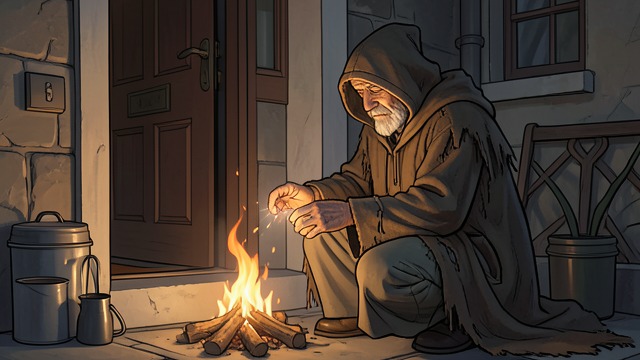
A Helpful Neighbor
Cooperation in practice
The old wizard uses magic to help nearby Muggles while concealing its source.
A threatened custom
His ordinary generosity becomes dangerous as persecution makes contact seem risky.
The tale places neighborliness against growing communal fear.
The Firewood Fear
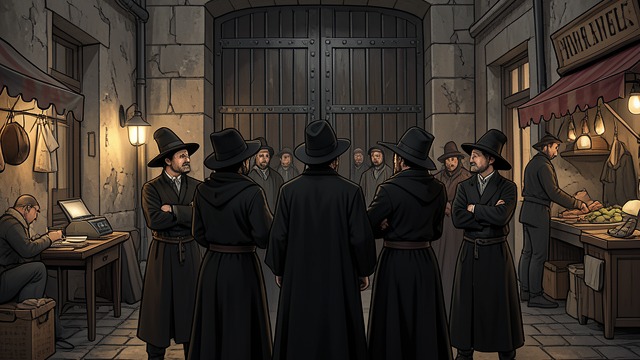
The Firewood Fear
Persecution escalates
Wizards fear that helping a Muggle could expose them to execution.
Withdrawal defended
Many respond with a demand that Muggles manage without magical aid.
Fear makes separation seem prudent, even when it harms neighbors.
The Secrecy Settlement
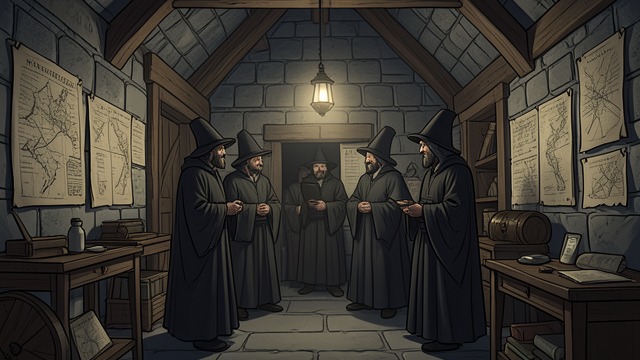
The Secrecy Settlement
Voluntary withdrawal
Wizardkind goes underground under the International Statute of Wizarding Secrecy.
A social divide formalized
The agreement responds to danger but also deepens separation from non-magical society.
The stories preserve questions that official secrecy cannot settle.
Prejudice Turns Inward
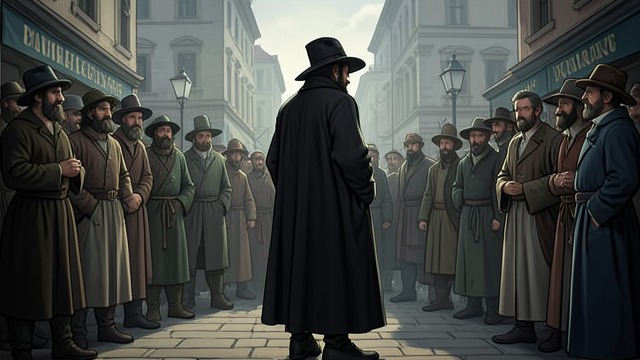
Prejudice Turns Inward
Muggle-lovers targeted
Wizards who associate with Muggles may be treated as suspect within their own community.
A false measure of ability
Brutus Malfoy argues that affection for non-magical company proves weak magic.
The claim polices social relationships by disguising prejudice as judgment.
Purity Challenged at School
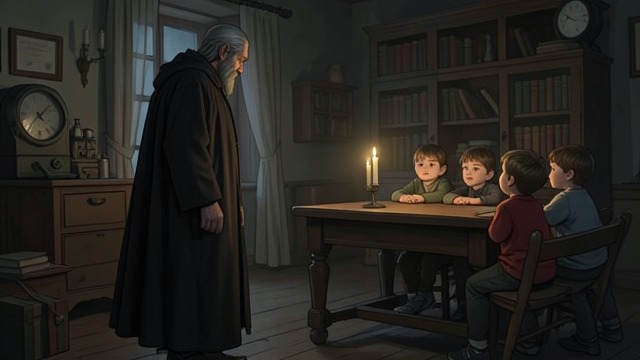
Purity Challenged at School
A ban sought
Lucius Malfoy objects to a tale that depicts a relationship across the magical boundary.
The challenge answered
Dumbledore argues that claims of pure ancestry conceal Muggle connections.
The school dispute exposes prejudice as a choice to deny shared history.
Before the Hopping Pot tale begins
During the early fifteenth-century witch hunts
In 1689
In the seventeenth century
During Lucius Malfoy’s campaign against Dumbledore
